
VLAT to ACST Converter
South Australia is on daylight saving time: ACDT (UTC+10:30) until Sun, Apr 4, 2027.
The Northern Territory stays on ACST (UTC+9:30).
Start by searching for a time zone, city, or town.
Add one or more places to compare local times, adjust the date, and share the result.
Quick answers
Selected conversion
10:00 pm22:00 VLAT (UTC+10), Nov 9, 2026 = 9:30 pm21:30 ACST (UTC+9:30), Nov 9, 2026
VLAT is 30 minutes ahead of ACST.
VLAT and ACST examples
These examples always use VLAT (UTC+10) and ACST (UTC+9:30). They stay the same when you change the date or time above. The selected conversion may differ when daylight saving time applies.
VLAT is 30 minutes ahead of ACST.
How the time difference changes
VLAT is 30 minutes ahead of ACST year-round.
Working hours of 9:00 am to 6:00 pm in VLAT correspond to 8:30 am to 5:30 pm in ACST.Working hours of 09:00 to 18:00 in VLAT correspond to 08:30 to 17:30 in ACST.
Compare VLAT time with ACST time, including current local time, UTC offsets, time difference, daylight saving changes, working hours, and shareable meeting times.
Time Difference
Vladivostok Time is 30 minutes ahead of Australian Central Standard Time.
10:00 pm22:00 in VLAT is 9:30 pm21:30 in ACST
VLAT to ACST call time
Best time for a conference call or a meeting is between 9:30am-6pm09:30-18:00 in VLAT which corresponds to 9am-5:30pm09:00-17:30 in ACST.
10:00 pm22:00 Vladivostok Time (VLAT). Offset UTC +10:00 hours
9:30 pm21:30 Australian Central Standard Time (ACST). Offset UTC +9:30 hours
10:00 pm22:00 VLAT / 9:30 pm21:30 ACST
Choose an hour to update the converter. Day labels such as “next day” or “+1” are relative to the selected date in the first column. Use Up and Down arrow keys, Home or End to move between hours, then Enter or Space to select.
| VLAT | ACST |
|---|---|
| 11:30pm previous day | |
| 12:30am | |
| 1:30am | |
| 2:30am | |
| 3:30am | |
| 4:30am | |
| 5:30am | |
| 6:30am | |
| 7:30am | |
| 8:30am | |
| 9:30am | |
| 10:30am | |
| 11:30am | |
| 12:30pm | |
| 1:30pm | |
| 2:30pm | |
| 3:30pm | |
| 4:30pm | |
| 5:30pm | |
| 6:30pm | |
| 7:30pm | |
| 8:30pm | |
| 9:30pm | |
| 10:30pm | |
| 23:30 previous day | |
| 00:30 | |
| 01:30 | |
| 02:30 | |
| 03:30 | |
| 04:30 | |
| 05:30 | |
| 06:30 | |
| 07:30 | |
| 08:30 | |
| 09:30 | |
| 10:30 | |
| 11:30 | |
| 12:30 | |
| 13:30 | |
| 14:30 | |
| 15:30 | |
| 16:30 | |
| 17:30 | |
| 18:30 | |
| 19:30 | |
| 20:30 | |
| 21:30 | |
| 22:30 |
Vladivostok Time
Offset: VLAT is 10 hours ahead of Greenwich Mean Time (GMT).
Countries using this time zone: Russia
Principal Cities: The largest city in the VLAT time zone is Khabarovsk in Russia, with about 618,150 people. Other major cities in this time zone include Vladivostok, Komsomolsk-on-Amur, Ussuriysk, Nakhodka.
Daylight Saving: Clocks in Vladivostok Time (VLAT) do not change for daylight saving time, so VLAT stays the same throughout the year. Other time zones may set clocks forward in summer and back in winter; see upcoming clock changes worldwide.
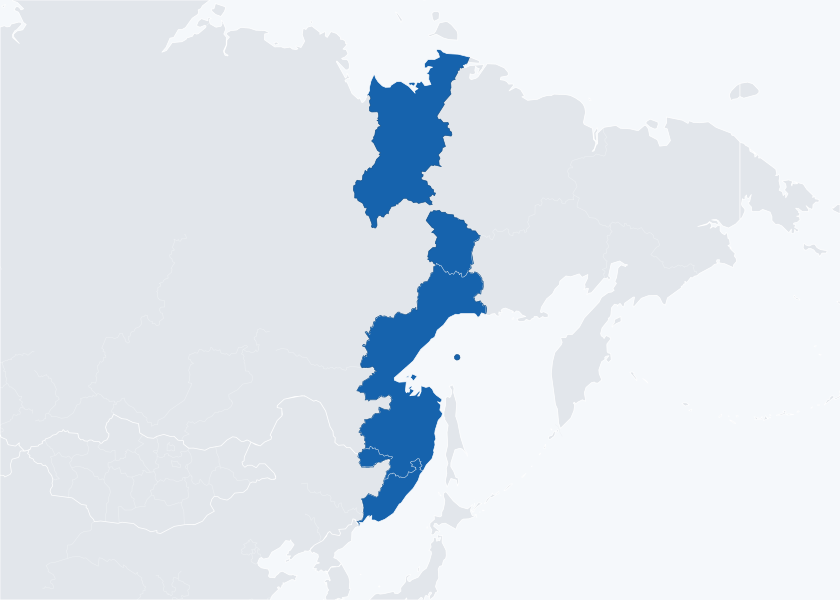
VLAT representations, usage and related time zones
- +10 - basic short
- +1000 - basic
- +10:00 - extended
- +1000 - sign character (+) followed by a four digit time providing hours (10) and minutes (00) of the offset. Indicates an offset of ten hours to the east of the zero meridian.
- Kilo - Military abbreviation for VLAT
- K - short form of 'Kilo'
- AEST - Australian Eastern Standard Time
- CHUT - Chuuk Time
- ChST - Chamorro Standard Time
- K - Kilo Time Zone
- KDT - Korea Daylight Time
- PGT - Papua New Guinea Time
- VLAT - Vladivostok Time
- YAKST - Yakutsk Summer Time
- YAPT - Yap Time
Australian Central Standard Time
Offset: ACST is 9 hours and 30 minutes ahead of Greenwich Mean Time (GMT).
Countries using this time zone: Australia
Principal Cities: The largest city in the ACST time zone is Adelaide in Australia, with about 1.469 million people. Other major cities in this time zone include Darwin, Palmerston, Alice Springs, Mount Gambier.
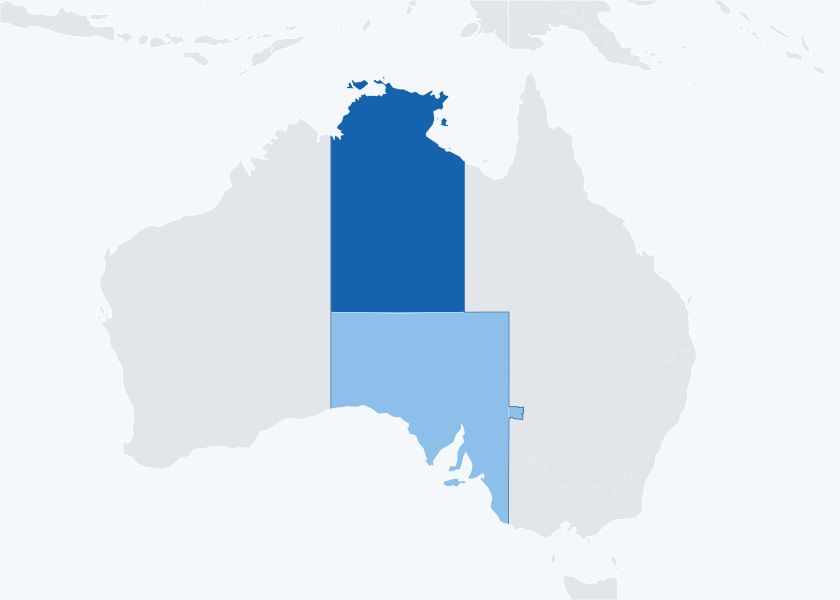
Today the lighter areas are on UTC+10:30 (ACDT).
Daylight Saving: This is a standard time zone. During summer, some places set clocks forward one hour for daylight saving time and observe Australian Central Daylight Time (ACDT).
End: Australian Central Standard Time (ACST) ended on Sunday, October 4, 2026 at 2:00 am02:00 local time and clocks were set one hour forward to Sunday, October 4, 2026, 3:00 am03:00 local daylight time instead. Standard time ends annually on the first Sunday of October.
Start: Australian Central Standard Time (ACST) starts on Sunday, April 4, 2027 at 3:00 am03:00 local time and clocks are set one hour back to Sunday, April 4, 2027, 2:00 am02:00. Standard time starts annually on the first Sunday of April.
See Australia daylight saving time and upcoming clock changes worldwide.
ACST representations, usage and related time zones
- +0930 - basic
- +09:30 - extended
- +0930 - sign character (+) followed by a four digit time providing hours (09) and minutes (30) of the offset. Indicates an offset of nine hours and thirty minutes to the east of the zero meridian.
- Australia/Adelaide
- Australia/Broken_Hill
- Australia/Darwin
- Australia/North
- Australia/South
- Australia/Yancowinna