
EST to GMT to Los Angeles to Tokyo to Berlin to Auckland Time Converter
Quick answers
EST to GMT
For most of the year, EDT is 4 hours behind GMT. During seasonal clock changes, EST is 5 hours behind GMT.
For most of the year, working hours of 9:00 am to 5:00 pm in EDT correspond to 1:00 pm to 9:00 pm in GMT. During seasonal clock changes, working hours of 9:00 am to 5:00 pm in EST correspond to 2:00 pm to 10:00 pm in GMT.
EST to Los Angeles
For most of the year, EDT is 3 hours ahead of Los Angeles. During seasonal clock changes, EST is 3 hours ahead of Los Angeles. Briefly around those changes, EDT is 4 hours ahead of Los Angeles or EST is 2 hours ahead of Los Angeles.
For most of the year, working hours of 9:00 am to 5:00 pm in EDT correspond to 6:00 am to 2:00 pm in Los Angeles. During seasonal clock changes, working hours of 9:00 am to 5:00 pm in EST correspond to 6:00 am to 2:00 pm in Los Angeles.
EST to Tokyo
For most of the year, EDT is 13 hours behind Tokyo. During seasonal clock changes, EST is 14 hours behind Tokyo.
For most of the year, working hours of 9:00 am to 5:00 pm in EDT correspond to 10:00 pm to 6:00 am (next day) in Tokyo. During seasonal clock changes, working hours of 9:00 am to 5:00 pm in EST correspond to 11:00 pm to 7:00 am (next day) in Tokyo.
EST to Berlin
For most of the year, EDT is 6 hours behind Berlin. During seasonal clock changes, EST is 6 hours behind Berlin or EDT is 5 hours behind Berlin.
For most of the year, working hours of 9:00 am to 5:00 pm in EDT correspond to 3:00 pm to 11:00 pm in Berlin. During seasonal clock changes, working hours of 9:00 am to 5:00 pm in EST correspond to 3:00 pm to 11:00 pm in Berlin or working hours of 9:00 am to 5:00 pm in EDT correspond to 2:00 pm to 10:00 pm in Berlin.
EST to Auckland
Depending on seasonal clock changes, EDT is 16 hours behind Auckland, EDT is 17 hours behind Auckland, or EST is 18 hours behind Auckland.
Depending on seasonal clock changes, working hours of 9:00 am to 5:00 pm in EDT correspond to 1:00 am (next day) to 9:00 am (next day) in Auckland, working hours of 9:00 am to 5:00 pm in EDT correspond to 2:00 am (next day) to 10:00 am (next day) in Auckland, or working hours of 9:00 am to 5:00 pm in EST correspond to 3:00 am (next day) to 11:00 am (next day) in Auckland.
Compare EST time with GMT, Los Angeles, Tokyo, Berlin, and Auckland time, including current local time, UTC offsets, time difference, daylight saving changes, working hours, and shareable meeting times.
Time Difference
Eastern Standard Time is 5 hours behind Greenwich Mean Time and 3 hours ahead of PST (Pacific Standard Time) and 14 hours behind JST (Japan Standard Time) and 6 hours behind CET (Central European Time) and 18 hours behind NZDT (New Zealand Daylight Time)
7:00 am07:00 in EST is 12:00 pm12:00 in GMT and is 4:00 am04:00 in Los Angeles, CA, USA and is 9:00 pm21:00 in Tokyo, Japan and is 1:00 pm13:00 in Berlin, Germany and is 1:00 am01:00 in Auckland, New Zealand
EST to GMT call time
Best time for a conference call or a meeting is between 9am-12pm in EST which corresponds to 2pm-5pm in GMT
EST to Los Angeles call time
Best time for a conference call or a meeting is between 12pm-5pm in EST which corresponds to 9am-2pm in Los Angeles
EST to Tokyo call time
Best time for a conference call or a meeting is between 5:30pm-6:30pm in EST which corresponds to 7:30am-8:30am in Tokyo (next day)
EST to Berlin call time
Best time for a conference call or a meeting is between 9am-11am in EST which corresponds to 3pm-5pm in Berlin
EST to Auckland call time
Best time for a conference call or a meeting is between 3pm-5pm in EST which corresponds to 9am-11am in Auckland (next day)
7:00 am07:00 Eastern Standard Time (EST). Offset UTC -5:00 hours
12:00 pm12:00 Greenwich Mean Time (GMT). Offset UTC 0:00 hours
4:00 am04:00 PST (Pacific Standard Time) (Los Angeles, CA, USA). Offset UTC -8:00 hours
9:00 pm21:00 JST (Japan Standard Time) (Tokyo, Japan). Offset UTC +9:00 hours
1:00 pm13:00 CET (Central European Time) (Berlin, Germany). Offset UTC +1:00 hour
1:00 am01:00 NZDT (New Zealand Daylight Time) (Auckland, New Zealand). Offset UTC +13:00 hours
7:00 am07:00 EST / 12:00 pm12:00 GMT / 4:00 am04:00 Los Angeles, CA, USA / 9:00 pm21:00 Tokyo, Japan / 1:00 pm13:00 Berlin, Germany / 1:00 am01:00 Auckland, New Zealand
| EST | GMT | Los Angeles, CA, USA | Tokyo, Japan | Berlin, Germany | Auckland, New Zealand |
|---|---|---|---|---|---|
| 12am (midnight) | 5am | 9pm | 2pm | 6am | 6pm |
| 1am | 6am | 10pm | 3pm | 7am | 7pm |
| 2am | 7am | 11pm | 4pm | 8am | 8pm |
| 3am | 8am | 12am (midnight) | 5pm | 9am | 9pm |
| 4am | 9am | 1am | 6pm | 10am | 10pm |
| 5am | 10am | 2am | 7pm | 11am | 11pm |
| 6am | 11am | 3am | 8pm | 12pm (noon) | 12am (midnight) |
| 7am | 12pm (noon) | 4am | 9pm | 1pm | 1am |
| 8am | 1pm | 5am | 10pm | 2pm | 2am |
| 9am | 2pm | 6am | 11pm | 3pm | 3am |
| 10am | 3pm | 7am | 12am (midnight) | 4pm | 4am |
| 11am | 4pm | 8am | 1am | 5pm | 5am |
| 12pm (noon) | 5pm | 9am | 2am | 6pm | 6am |
| 1pm | 6pm | 10am | 3am | 7pm | 7am |
| 2pm | 7pm | 11am | 4am | 8pm | 8am |
| 3pm | 8pm | 12pm (noon) | 5am | 9pm | 9am |
| 4pm | 9pm | 1pm | 6am | 10pm | 10am |
| 5pm | 10pm | 2pm | 7am | 11pm | 11am |
| 6pm | 11pm | 3pm | 8am | 12am (midnight) | 12pm (noon) |
| 7pm | 12am (midnight) | 4pm | 9am | 1am | 1pm |
| 8pm | 1am | 5pm | 10am | 2am | 2pm |
| 9pm | 2am | 6pm | 11am | 3am | 3pm |
| 10pm | 3am | 7pm | 12pm (noon) | 4am | 4pm |
| 11pm | 4am | 8pm | 1pm | 5am | 5pm |
| 00:00 | 05:00 | 21:00 | 14:00 | 06:00 | 18:00 |
| 01:00 | 06:00 | 22:00 | 15:00 | 07:00 | 19:00 |
| 02:00 | 07:00 | 23:00 | 16:00 | 08:00 | 20:00 |
| 03:00 | 08:00 | 00:00 | 17:00 | 09:00 | 21:00 |
| 04:00 | 09:00 | 01:00 | 18:00 | 10:00 | 22:00 |
| 05:00 | 10:00 | 02:00 | 19:00 | 11:00 | 23:00 |
| 06:00 | 11:00 | 03:00 | 20:00 | 12:00 | 00:00 |
| 07:00 | 12:00 | 04:00 | 21:00 | 13:00 | 01:00 |
| 08:00 | 13:00 | 05:00 | 22:00 | 14:00 | 02:00 |
| 09:00 | 14:00 | 06:00 | 23:00 | 15:00 | 03:00 |
| 10:00 | 15:00 | 07:00 | 00:00 | 16:00 | 04:00 |
| 11:00 | 16:00 | 08:00 | 01:00 | 17:00 | 05:00 |
| 12:00 | 17:00 | 09:00 | 02:00 | 18:00 | 06:00 |
| 13:00 | 18:00 | 10:00 | 03:00 | 19:00 | 07:00 |
| 14:00 | 19:00 | 11:00 | 04:00 | 20:00 | 08:00 |
| 15:00 | 20:00 | 12:00 | 05:00 | 21:00 | 09:00 |
| 16:00 | 21:00 | 13:00 | 06:00 | 22:00 | 10:00 |
| 17:00 | 22:00 | 14:00 | 07:00 | 23:00 | 11:00 |
| 18:00 | 23:00 | 15:00 | 08:00 | 00:00 | 12:00 |
| 19:00 | 00:00 | 16:00 | 09:00 | 01:00 | 13:00 |
| 20:00 | 01:00 | 17:00 | 10:00 | 02:00 | 14:00 |
| 21:00 | 02:00 | 18:00 | 11:00 | 03:00 | 15:00 |
| 22:00 | 03:00 | 19:00 | 12:00 | 04:00 | 16:00 |
| 23:00 | 04:00 | 20:00 | 13:00 | 05:00 | 17:00 |
Eastern Standard Time
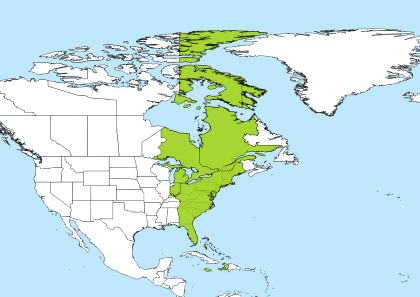
Offset: EST is 5 hours behind Greenwich Mean Time (GMT) and is used in North America
Countries using this time zone: Bahamas, Canada, Haiti, Jamaica, Cayman Islands, Mexico, Panama, Turks & Caicos Is, United States
Principal Cities: The largest city in the EST time zone is New York City in the United States, with about 8.175 million people. Other major cities in this time zone include Toronto, Montreal, Brooklyn, Borough of Queens.
French: HNE - Heure Normale de l'Est
Spanish: ET - Tiempo del Este, ET - Zona Sureste
Daylight Saving: This is a standard time zone. During summer, some places set clocks forward one hour for daylight saving time and observe Eastern Daylight Time (EDT).
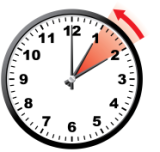 Start: Eastern Standard Time (EST) started on Sunday, November 2, 2025 at 2:00 am local time and clocks were set one hour back to Sunday, November 2, 2025, 1:00 am. Standard time starts annually on the first Sunday of November.
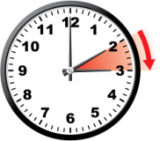 End: Eastern Standard Time (EST) ends on Sunday, March 8, 2026 at 2:00 am local time and clocks are set one hour forward to Sunday, March 8, 2026, 3:00 am local daylight time instead. Standard time ends annually on the second Sunday of March.
EST representations, usage and related time zones
- -05 - basic short
- -0500 - basic
- -05:00 - extended
- -0500 - sign character (-) followed by a four digit time providing hours (05) and minutes (00) of the offset. Indicates an offset of five hours to the west of the zero meridian.
- Romeo - Military abbreviation for EST
- R - short form of 'Romeo'
- America/Atikokan
- America/Cancun
- America/Cayman
- America/Coral_Harbour
- America/Detroit
- America/Fort_Wayne
- America/Grand_Turk
- America/Indiana/Indianapolis
- America/Indiana/Marengo
- America/Indiana/Petersburg
- America/Indiana/Vevay
- America/Indiana/Vincennes
- America/Indiana/Winamac
- America/Indianapolis
- America/Iqaluit
- America/Jamaica
- America/Kentucky/Louisville
- America/Kentucky/Monticello
- America/Louisville
- America/Montreal
- America/Nassau
- America/New_York
- America/Nipigon
- America/Panama
- America/Pangnirtung
- America/Port-au-Prince
- America/Thunder_Bay
- America/Toronto
- Canada/Eastern
- EST
- EST5EDT
- Jamaica
- US/East-Indiana
- US/Eastern
- US/Michigan
- CDT - Central Daylight Time
- EST - Eastern Standard Time
- ET - Eastern Time
- COT - Colombia Time
- CST - Cuba Standard Time
- EASST - Easter Island Summer Time
- ECT - Ecuador Time
- PET - Peru Time
- R - Romeo Time Zone
Greenwich Mean Time
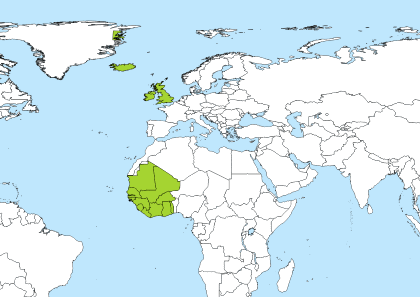
Offset: GMT is 0 hours ahead Greenwich Mean Time (GMT) and is used in Europe
Countries using this time zone: Burkina Faso, Côte d'Ivoire, Britain (UK), Guernsey, Ghana, Greenland, Gambia, Guinea, Guinea-Bissau, Ireland, Isle of Man, Iceland, Jersey, Liberia, Mali, Mauritania, St Helena, Sierra Leone, Senegal, Sao Tome & Principe, Togo
Principal Cities: The largest city in the GMT time zone is London in United Kingdom, with about 7.557 million people. Other major cities in this time zone include Abidjan, Dakar, Grand Dakar, Accra.
Greenwich Mean Time (GMT) originally referred to the mean solar time at the Royal Observatory in Greenwich, London. It is now often used to refer to Coordinated Universal Time (UTC) when this is viewed as a time zone, and in casual use for the most parts it is the same. In military GMT is known as Zulu time.Greenwich Mean Time was the same as Universal Time (UT), until the introduction of UTC in 1972 a standard astronomical concept used in many technical fields.
GMT representations, usage and related time zones
- Z - is the zone designator for the zero UTC/GMT offset, also known as 'Zulu' time
- +00 - basic short
- +0000 - basic
- +00:00 - extended
- +0000 - sign character (+) followed by a four digit time providing hours (00) and minutes (00) of the offset. Indicates the zero UTC/GMT offset.
- Zulu - Military abbreviation for GMT
- Z - short form of 'Zulu'
- Africa/Abidjan
- Africa/Accra
- Africa/Bamako
- Africa/Banjul
- Africa/Bissau
- Africa/Conakry
- Africa/Dakar
- Africa/Freetown
- Africa/Lome
- Africa/Monrovia
- Africa/Nouakchott
- Africa/Ouagadougou
- Africa/Sao_Tome
- Africa/Timbuktu
- America/Danmarkshavn
- Atlantic/Reykjavik
- Atlantic/St_Helena
- Eire
- Etc/GMT
- Etc/GMT+0
- Etc/GMT-0
- Etc/GMT0
- Etc/Greenwich
- Europe/Belfast
- Europe/Dublin
- Europe/Guernsey
- Europe/Isle_of_Man
- Europe/Jersey
- Europe/London
- GB
- GB-Eire
- GMT
- GMT+0
- GMT-0
- GMT0
- Greenwich
- Iceland
- EGST - Eastern Greenland Summer Time
- GMT - Greenwich Mean Time
- WET - Western European Time
- AZOST - Azores Summer Time
- UTC - Universal Time Coordinated
- WT - Western Sahara Standard Time
- Z - Zulu Time Zone
Los Angeles Information
Time Zone
PST - Pacific Standard Time
-8:00 hours during Pacific Standard Time.
Sunday, March 8, 2026 at 2:00 am local time. DST starts annually on the 2nd Sunday of March. Clocks are turned forward 1 hour to Sunday, March 8, 2026 at 3:00 am local daylight time instead. Also called Spring Forward or Summer Time.Sunday, November 1, 2026 at 2:00 am local time. DST ends annually on the 1st Sunday of November. Clocks are turned backward 1 hour to Sunday, November 1, 2026 at 1:00 am local standard time instead. Also called Fall Back or switch to Winter Time.Los Angeles Facts
Tokyo Information
Time Zone
Tokyo Facts
Berlin Information
Time Zone
CET - Central European Standard Time
+1:00 hours during Central European Standard Time.
Sunday, March 29, 2026 at 2:00 am local time. DST starts annually on the last Sunday of March. Clocks are turned forward 1 hour to Sunday, March 29, 2026 at 3:00 am local daylight time instead. Also called Spring Forward or Summer Time.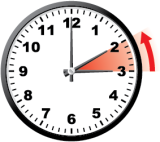 Sunday, October 25, 2026 at 3:00 am local time. DST ends annually on the last Sunday of October. Clocks are turned backward 1 hour to Sunday, October 25, 2026 at 2:00 am local standard time instead. Also called Fall Back or switch to Winter Time.
Berlin Facts
Auckland Information
Time Zone
NZDT - New Zealand Daylight Time
+13:00 hours during New Zealand Daylight Time.
Sunday, September 27, 2026 at 2:00 am local time. DST starts annually on the last Sunday of September. Clocks are turned forward 1 hour to Sunday, September 27, 2026 at 3:00 am local daylight time instead. Also called Spring Forward or Summer Time.Sunday, April 5, 2026 at 3:00 am local time. DST ends annually on the 1st Sunday of April. Clocks are turned backward 1 hour to Sunday, April 5, 2026 at 2:00 am local standard time instead. Also called Fall Back or switch to Winter Time.